
>>

A velvety risotto studded with sweet roasted butternut, nutty Parmesan, and fragrant sage — a cozy, seasonal favorite that's elegant enough for guests.
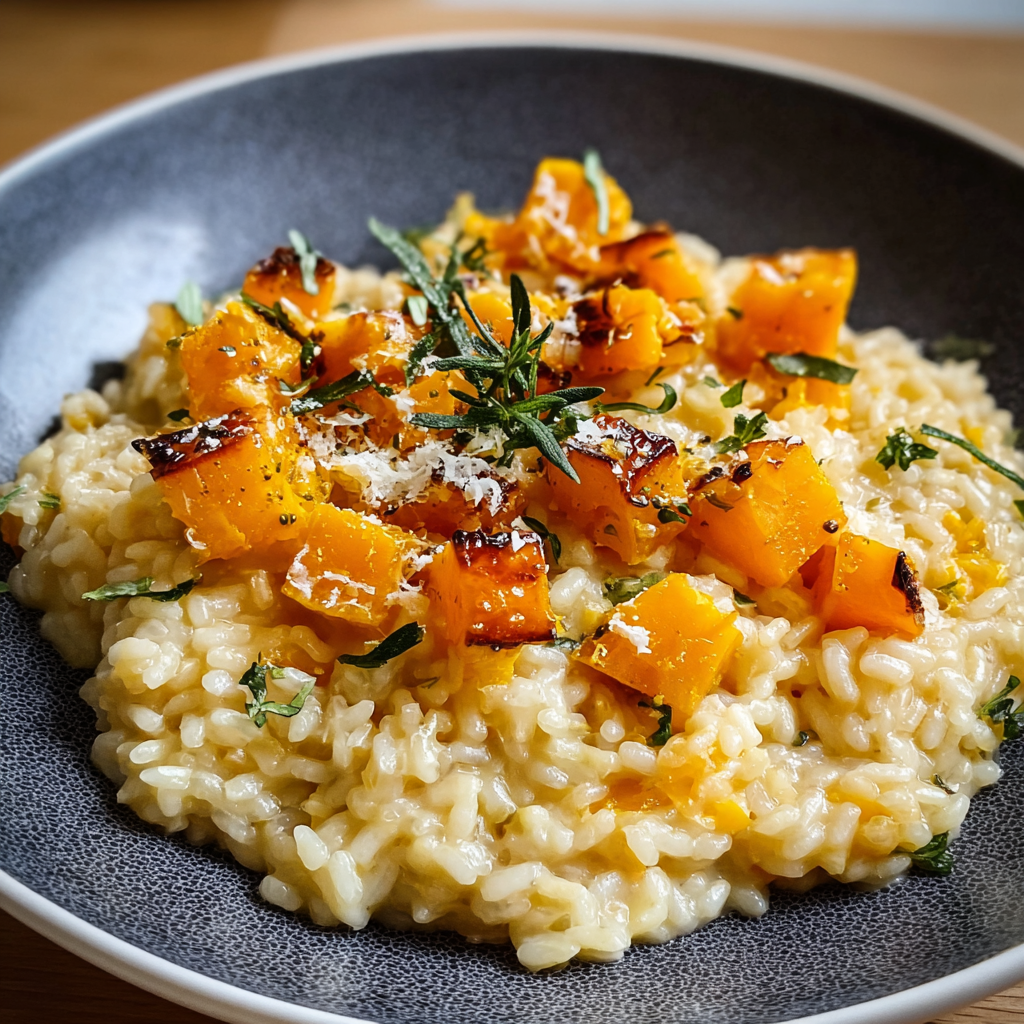
This butternut squash risotto became a fall anchor in my kitchen the moment I combined roasted squash with a luxuriously creamy arborio base. I first made it on a crisp October evening when friends came by unexpectedly; the house smelled of browned butter, sage, and warm squash, and everyone lingered around the table long after the plates were cleared. The texture is what keeps me coming back — each grain is tender yet slightly toothsome, and the roasted cubes of squash add pockets of sweet, caramelized flavor that contrast beautifully with the salty Parmesan.
I discovered this version while adapting a classic Italian technique to vegetarian weeknight cooking: instead of a heavy cream finish, the creaminess comes from patient stirring and the starch released by the rice. Roasting the squash concentrates its sweetness and gives it a lightly crisp exterior that holds up when folded into the rice. The result is a deeply comforting dish that reads elegant but is forgiving to make — perfect for a small dinner party or a Sunday night when you want something both simple and special.
My family’s reaction the first time I plated this was immediate: “Make this every fall,” my partner said between bites. I love that it feels special enough for company but kind enough for a regular week — and the leftovers, if there are any, reheat wonderfully the next day with a splash of water or stock to restore silkiness.
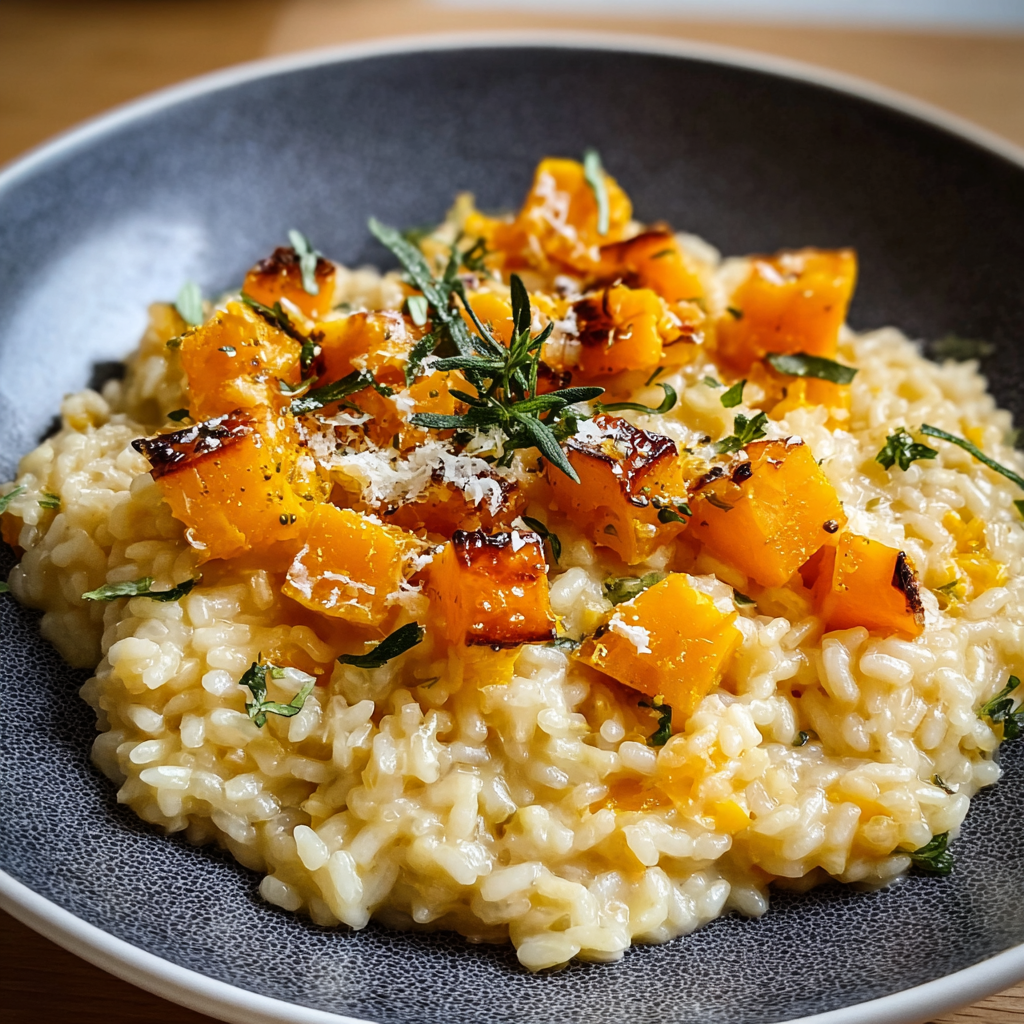
My favorite part is how approachable this feels despite its restaurant vibes. On a rainy afternoon I once made two batches back-to-back because friends dropped by; everyone sat with a bowl, wrapped in blankets, and the conversation just flowed. The sage aroma always brings back that evening to me — comforting, simple, and utterly satisfying.
To store leftovers, cool the risotto quickly and transfer to an airtight container. Refrigerate for up to 3 days. To reheat, warm a skillet over low heat, add the risotto and a splash (1–2 tablespoons) of warm vegetable stock or water to loosen the grains, stirring gently until heated through. Avoid the microwave if possible; stovetop reheating helps restore the creamy texture. Roasted squash can be frozen separately in a freezer bag for up to 3 months and thawed overnight before folding into freshly made rice.
If you can’t find Arborio, Carnaroli is an excellent substitute and yields an even silkier finish. Swap Parmesan for Pecorino Romano if you prefer a sharper, saltier profile — reduce added salt accordingly. For a vegan variation, omit the cheese and finish with 2 tablespoons of nutritional yeast and a tablespoon of non-dairy butter; also consider adding a splash of full-flavor extra virgin olive oil at the end. If fresh sage isn’t available, substitute 1/2 teaspoon dried sage, added early with the onions so it rehydrates and softens.
Serve this alongside a crisp, acidic salad — think arugula with lemon vinaigrette — to cut through the dish’s richness. For a heartier plate, top with roasted chickpeas, sautéed mushrooms, or thin slices of grilled chicken. Garnish with toasted pumpkin seeds for crunch and a drizzle of high-quality olive oil for sheen. Pair with a medium-bodied white wine, such as Chardonnay or Vermentino, to complement the squash’s sweetness and the cheese’s saltiness.
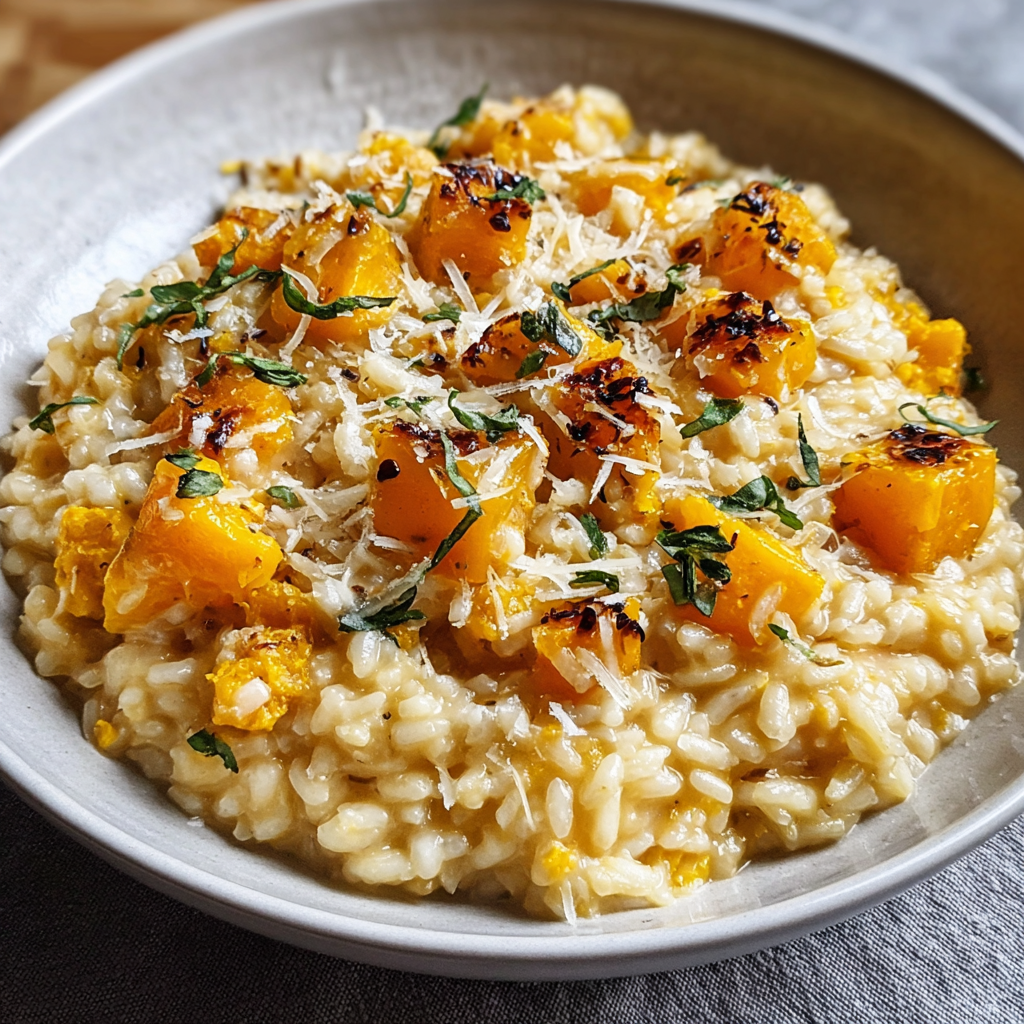
In winter, add roasted chestnuts or a sprinkle of crushed hazelnuts for a festive crunch. Late summer substitutions include roasted sweet corn kernels and basil in place of sage for a lighter, brighter variation. For holiday occasions, stir in a small amount of browned butter before serving to amplify the nutty aroma, and finish with shaved truffle or a few drops of truffle oil for an indulgent touch.
To streamline weeknight cooking, roast a large tray of butternut squash early in the week and portion it into airtight containers. Keep warmed broth on low in an insulated thermos or slow cooker before you start; this reduces active stove time. Assemble the risotto in 20 minutes when the rice and warm stock meet, and use a wide, heavy pan (like a sauté pan) to maximize surface area for stirring and even absorption. Portion into shallow containers for quick reheating and even distribution of squash.
Risotto originates in northern Italy, particularly Lombardy and Piedmont, where short-grain rices like Arborio or Carnaroli thrive. Traditionally served as a primo (first course) before a protein, risotto showcases the Italian skill of coaxing complex flavors from simple ingredients through technique rather than heavy seasoning. Squash variants reflect seasonal Italian cooking, where local produce is celebrated and combined with regional cheeses like Parmigiano-Reggiano for umami depth.
There’s something wonderfully communal about stirring a pot of this; it asks for patience and rewards attention. Whether you’re making this for a quiet autumn dinner or for friends gathered around the table, it’s a dish that invites conversation and slow enjoyment. Give it a try, make it your own with small swaps, and most importantly — savor the process as much as the plate.
Keep the broth warm to ensure even cooking and better creaminess.
Stir frequently but not constantly — use a steady rhythm to coax starch from the rice without overworking it.
Use freshly grated Parmesan for superior melt and flavor; avoid pre-grated blends.
This nourishing creamy butternut squash risotto recipe is sure to be a staple in your kitchen. Enjoy every moist, high protein slice — it is perfect for breakfast or as a wholesome snack any time.
Yes — Arborio rice is gluten-free, so this recipe is naturally gluten-free as long as your vegetable broth is gluten-free as well.
Roast the butternut squash up to 2 days ahead and keep refrigerated. Warm the stock before starting to speed up the process.
This Creamy Butternut Squash Risotto recipe makes perfectly juicy, tender, and flavorful steak every time! Serve with potatoes and a side salad for an unforgettable dinner in under 30 minutes.
Preheat oven to 400°F. Toss diced butternut with 1 tablespoon olive oil, salt, and pepper. Spread in a single layer on a rimmed sheet and roast for 25–30 minutes until tender and caramelized, flipping once for even color.
Place the vegetable broth in a saucepan over low heat and keep at a gentle simmer. Adding warm liquid ensures the rice cooks evenly and releases starch properly.
In a large heavy pan, heat 1 tablespoon olive oil over medium heat. Add the chopped onion and sweat until translucent, about 4–5 minutes. Add the minced garlic and cook 30–60 seconds until fragrant.
Add the Arborio rice and stir for 1–2 minutes to coat each grain in oil; this builds flavor and helps maintain a pleasant texture inside each grain.
Add warm broth one ladle at a time, stirring frequently and allowing each addition to be mostly absorbed before adding the next. Continue for about 18–22 minutes until the rice is tender with slight bite.
Remove from heat and gently fold in roasted squash, grated Parmesan, and chopped sage. Adjust seasoning and serve immediately with extra Parmesan or a drizzle of olive oil.
Last Step: Please leave a rating and comment letting us know how you liked this recipe! This helps our business to thrive and continue providing free, high-quality recipes for you.
Leave a comment & rating below or tag
@aiolirecipe on social media!
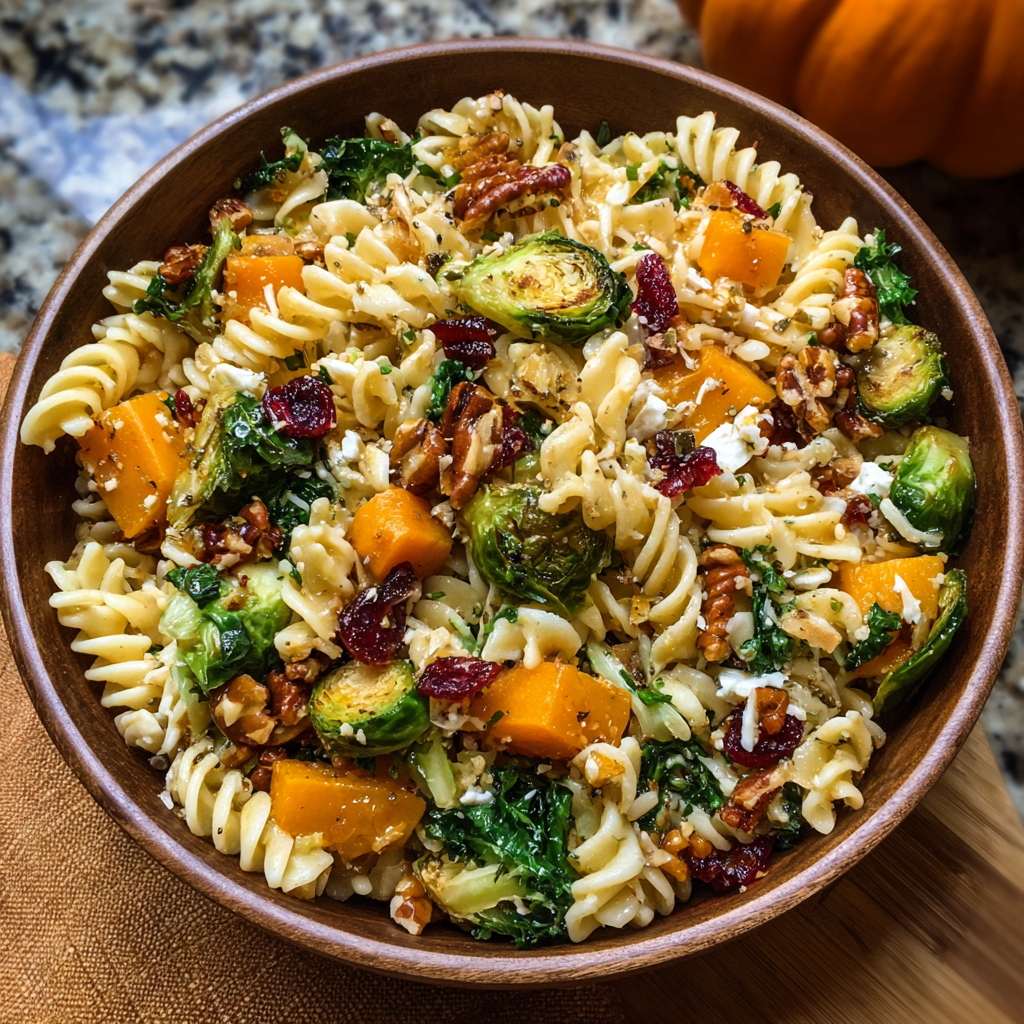
A cozy, colorful salad that celebrates autumn flavors — roasted butternut squash and Brussels sprouts tossed with pasta, cranberries, pecans, and tangy feta, finished with a balsamic vinaigrette.
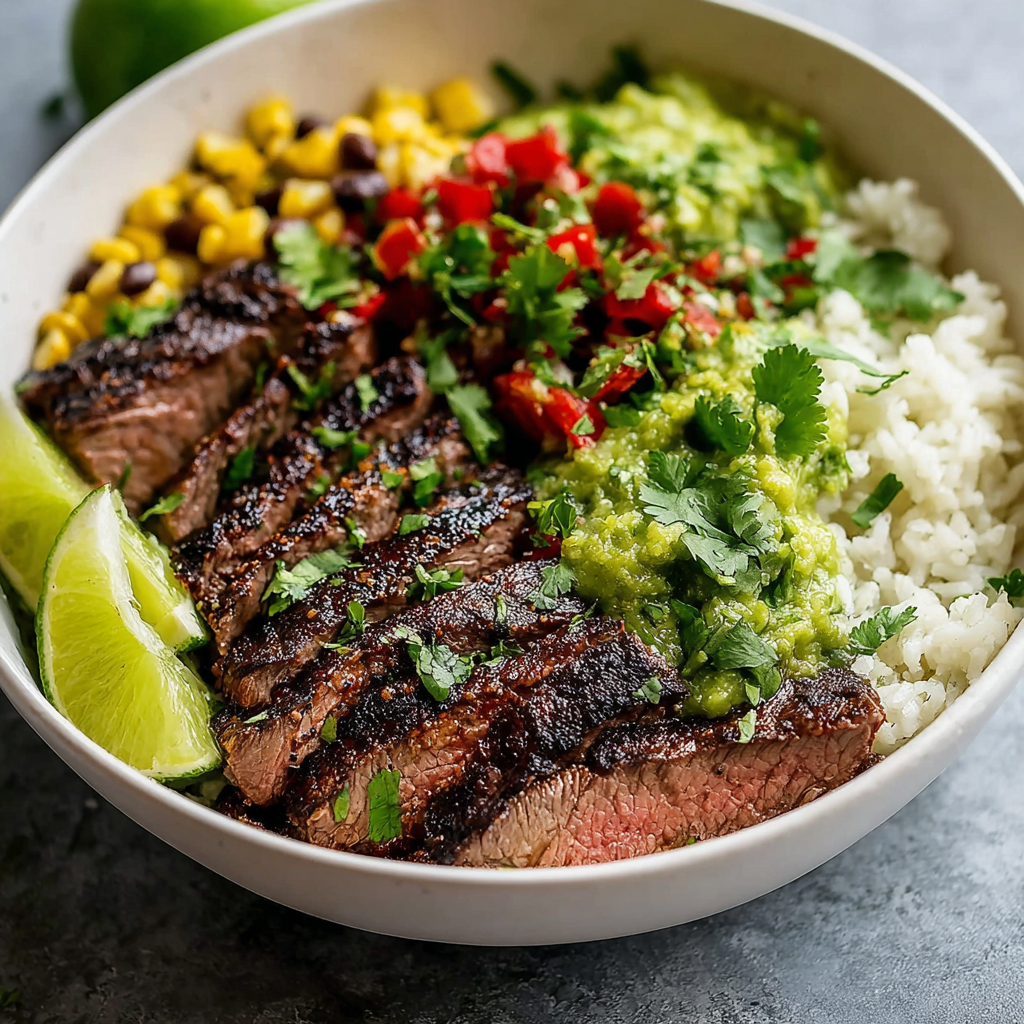
Bright, tangy cilantro-lime marinated flank steak served over rice with black beans, corn, fresh veggies and creamy avocado for a fast, healthy weeknight bowl.

Buttery crescent rolls filled with a sweet pecan pie–inspired filling — a quick, crowd-pleasing dessert perfect for holidays or weeknight cravings.
Leave a comment & rating below or tag @aiolirecipe on social media!
Enjoyed this recipe? Share it with friends and family, and don't forget to leave a review!
This recipe looks amazing! Can't wait to try it.
Comments are stored locally in your browser. Server comments are displayed alongside your local comments.
Join to receive our email series which contains a round-up of some of our quick and easy family favorite recipes.