
Italian Penicillin Soup: Comfort Food That Heals

A restorative, flavor-forward soup built on a rich broth, tender chicken, bright lemon, and small pasta — the kind of comfort that feels like medicine.
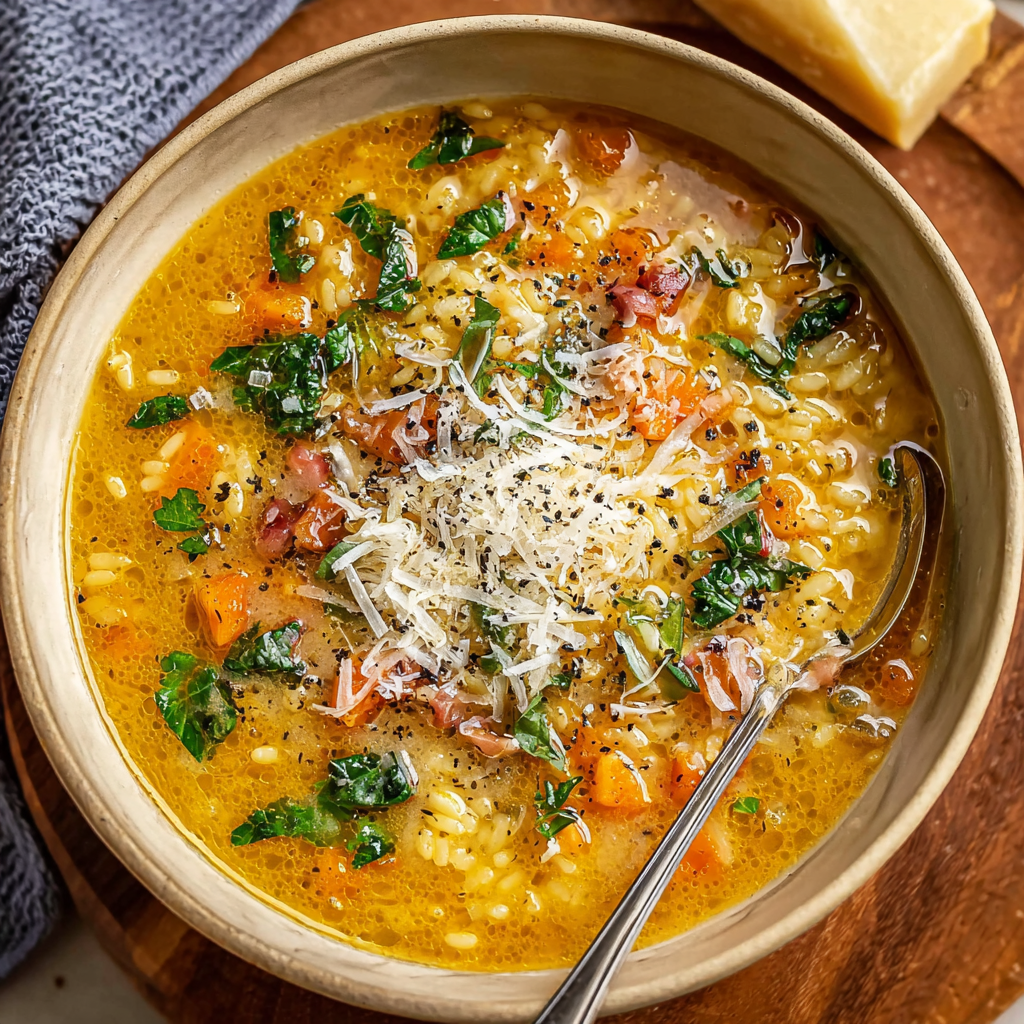
This Italian penicillin soup has been my go-to for chilly evenings, rainy afternoons, and whenever someone in the house needs comfort. I first assembled this combination on a late autumn weekend when a scratchy throat and a pile of pantry staples met a determined appetite for something soothing. The result was a bowl that felt medicinal in the best possible way: warming steam, a gentle citrus brightness from lemon, and tender chicken weaving through slippery little pasta. It’s simple, honest, and reliably restorative.
What makes this bowl special is the way basic ingredients — onion, carrot, celery, garlic, good olive oil, and a quality stock — transform through slow, attentive simmering into something deeply comforting. The single bone-in, skin-on chicken breast contributes richness and a familiar roast-like depth when simmered slowly, while fresh parsley and lemon juice lift the whole bowl into a bright, balanced finish. It’s not fancy, but it’s the sort of cooking that feels like care: warm, filling, and true.
Why You'll Love This Recipe
- Heals like a hug: a warm, aromatic broth that soothes sore throats and tired bodies while still tasting like real food.
- Pantry-friendly and fast: ready in about 50 minutes total, using basic staples like extra virgin olive oil, small pasta, and low-sodium broth.
- Flexible: easily made vegetarian by swapping chicken for extra vegetables and using vegetable broth; or doubled to feed a crowd.
- Balanced texture: tender shredded chicken, al dente small pasta (ditalini or orzo), and soft, sweet carrots and celery for contrast.
- Make-ahead friendly: broth and cooked components freeze well, and you can finish pasta fresh when reheating for best texture.
- Bright finish: a splash of fresh lemon juice and chopped parsley turns a humble soup into something lively and memorable.
On the day I first made this, my partner came home sniffly and exhausted; one bowl later he declared this soup “officially on standby” whenever the first sign of a cold appears. Friends have brought a thermos of it to new parents and to neighbors recovering from surgery — it travels well and feels like a caring gesture. Every time I make it, the kitchen fills with garlic, lemon, and that savory stock aroma that signals good things are on the way.
Ingredients
- Extra virgin olive oil (2 tablespoons): Use a robust, fruity oil for the aromatic base — it adds depth during the sauté and a silky mouthfeel to the broth. I prefer a cold-pressed Italian oil like Colavita or California Olive Ranch.
- Onion (1 large, diced; about 1 cup): Yellow onion offers a natural sweetness when softened; dice uniformly for even cooking and to meld seamlessly into the broth.
- Carrots (3 medium, sliced rounds): Choose firm, bright carrots and slice about 1/4-inch thick so they soften without disintegrating during simmering.
- Celery (3 stalks, chopped): Celery adds aromatic backbone; include the leaves if tender — they are full of flavor.
- Garlic (4 cloves, minced): Fresh garlic gives that characteristic warmth; mince finely and add once the onion is translucent to avoid burning.
- Low-sodium chicken broth (8 cups): Start with low-sodium so you control final salt; for a vegetarian version, substitute vegetable broth of good quality.
- Chicken breast, bone-in and skin-on (about 1 pound): The bone and skin create a richer, more rounded broth than boneless meat — if you must, use a boneless breast but add a splash of poultry stock for depth.
- Bay leaves (2): One of those small aromatics that quietly lifts the broth during simmering.
- Small pasta (1 cup; ditalini, orzo, or small shells): These little shapes nestle in the soup and make it heartier — cook them in the finished broth for best flavor.
- Dried oregano (1 teaspoon) & dried thyme (1/2 teaspoon): Classic Italian herbs that marry well with the stock and chicken without overpowering the freshness of lemon.
- Red pepper flakes (1/4 teaspoon, optional): A whisper of heat if you like it; omit for kids or sensitive palates.
- Salt & freshly ground black pepper: Season gradually, tasting as you go.
- Fresh lemon juice (2 tablespoons): Add at the end for brightness — it lifts the whole bowl and counterpoints the stock’s savor.
- Fresh parsley (1/4 cup, chopped): Stir in at the finish for a green, herbaceous note and lovely color contrast.
Instructions
Prep the Vegetables and Chicken: Trim and dice the onion, slice the carrots into rounds, chop the celery, and mince the garlic. Pat the chicken breast dry and season lightly with salt and pepper. Uniform cutting helps everything cook evenly — allow about 10–15 minutes for thorough prep. Sauté the Aromatics: Heat 2 tablespoons of extra virgin olive oil in a large Dutch oven or heavy-bottomed pot over medium heat. Add the diced onion and cook until translucent, about 5 minutes, stirring occasionally. Add carrots and celery and sauté for another 4–5 minutes, then add the minced garlic and cook 30–60 seconds until fragrant — don’t let the garlic brown. Add Broth and Chicken: Pour in 8 cups of low-sodium chicken broth and add the whole bone-in chicken breast plus 2 bay leaves, 1 teaspoon oregano, 1/2 teaspoon thyme, and the optional red pepper flakes. Increase heat to bring the pot to a gentle boil, then reduce to a simmer. Partially cover and simmer for 20–25 minutes, until the chicken is cooked through and tender. Shred the Chicken: Remove the chicken from the pot and let cool slightly. Use two forks to shred the meat off the bone; discard the skin and bones or reserve for stock-making. Return the shredded chicken to the pot and skim any excess fat from the surface if desired. Cook the Pasta and Finish: Stir in 1 cup of small pasta and simmer uncovered for the time indicated on the pasta package (usually 8–10 minutes) until al dente. Taste and adjust salt and pepper. Remove from heat, stir in 2 tablespoons fresh lemon juice and 1/4 cup chopped parsley. Serve warm. Optional Vegetarian Method: Replace the chicken with an extra cup of diced mushrooms and/or a cup of cooked white beans, and use vegetable broth. Simmer until vegetables are tender; fold in pasta and finish with lemon and parsley the same way.
You Must Know
- This bowl is high in protein and hydrating: the broth delivers electrolytes and the chicken provides lean protein.
- Store leftovers in an airtight container in the refrigerator for up to 4 days; freeze for up to 3 months without pasta (add fresh pasta when reheating).
- Use low-sodium broth to control salt — you can always add more at the end but you can’t take it away.
- Cooking the pasta directly in the soup adds flavor but will absorb broth; if you expect leftovers, cook pasta separately and combine when serving.
- High heat will toughen the chicken; maintain a gentle simmer for moist, tender meat.
What I love most about this preparation is the way simple technique — gentle sautéing, a slow simmer, and brightening at the end — converts humble ingredients into something unexpectedly special. The lemon finish is a small step with big impact; it wakes up the broth and keeps the bowl from feeling heavy. Over the years I’ve served this at casual family dinners, brought it to neighbors, and relied on it for sick-day comfort. Each version reminds me that care can be made with a wooden spoon and good stock.
Storage Tips
Cool leftover soup to room temperature within two hours, then transfer to shallow airtight containers. In the refrigerator it will keep well for 3–4 days. If you plan to freeze, remove the pasta first since small shapes tend to soften and break down after thawing — freeze broth and shredded chicken separately in freezer-safe containers for up to 3 months. Reheat gently on the stovetop over low heat; add a splash of water or extra broth if the soup seems thick, and stir in fresh pasta or cooked rice when warming to preserve texture.
Ingredient Substitutions
If you don’t have a bone-in chicken breast, a boneless skin-on breast or two boneless thighs will work; adjust simmer time until cooked through (thighs add richer flavor). For gluten-free needs, use an equivalent amount of GF small pasta or cook rice separately. Swap lemon for a tablespoon of white wine vinegar if necessary. Parsley can be replaced with cilantro for a different herb profile, though it shifts the classic Italian notes. For vegetarian eaters, use 8 cups of vegetable stock and bolster the bowl with mushrooms, white beans, or shredded roasted tofu.
Serving Suggestions
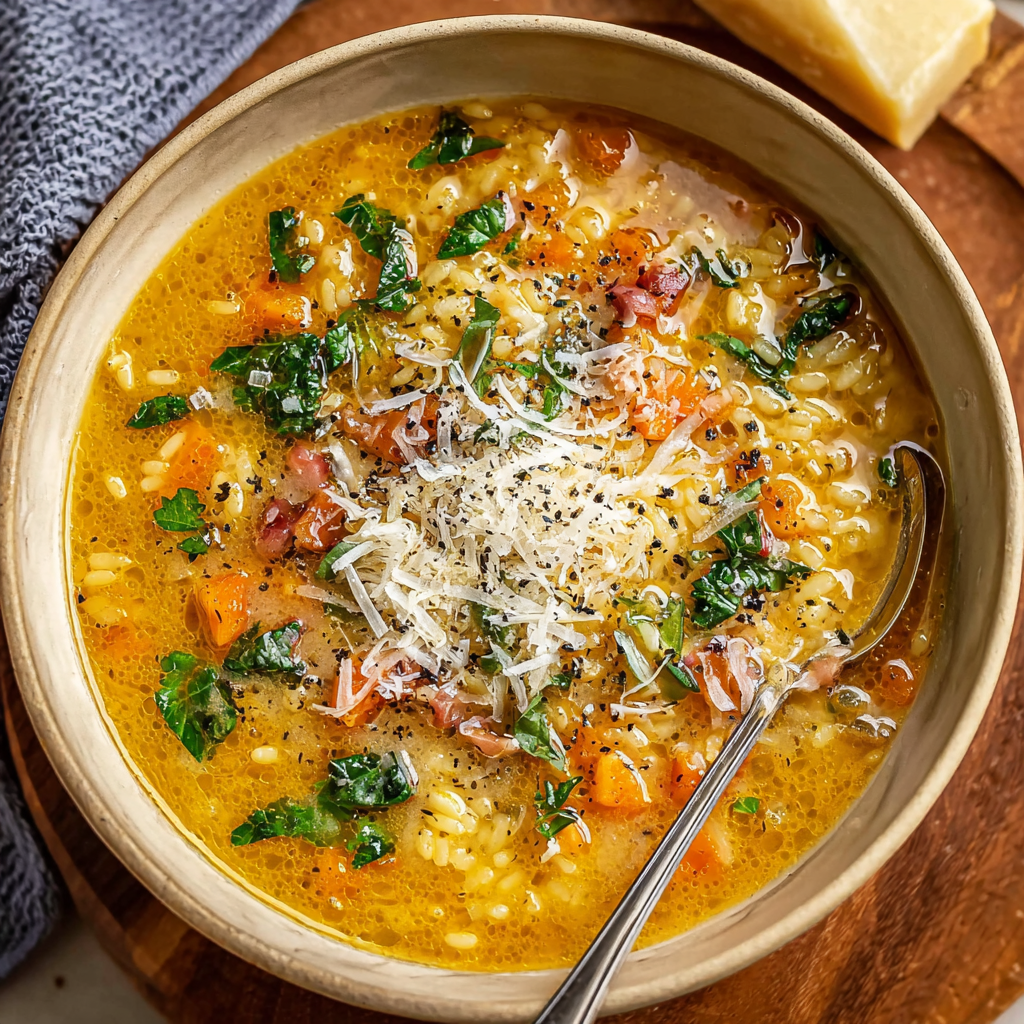
Serve in deep bowls with a drizzle of extra virgin olive oil and a grating of black pepper. A wedge of lemon on the side lets eaters add extra brightness. Pair the bowl with crusty bread or a simple mixed green salad dressed with olive oil and lemon for a light dinner. For a heartier meal, offer garlic-toast crostini or a side of roasted vegetables. Garnish with a few parsley leaves and a sprinkle of red pepper flakes for a gentle heat contrast.
Cultural Background
While not a traditional, named Italian classic, this preparation draws on simple Mediterranean pantry principles: a soffritto of onion, carrot, and celery; a clear, flavorful broth; and finishing with acid and fresh herbs. The result echoes many regional Italian soups that prioritize seasonality and thrift — small pasta shapes like ditalini and orzo are common in family soups around Italy because they stretch the meal and provide comforting texture without fuss. Think of this bowl as a modern expression of those familiar homestyle comforts.
Seasonal Adaptations
In winter, root vegetables like parsnip or turnip can join the carrots for added sweetness and depth. Spring invites the addition of peas or baby spinach stirred in at the finish. Summer allows lighter broths and a sprinkle of basil instead of parsley. For autumn, roast the carrots and onions first to deepen flavor, then proceed with simmering. These small seasonal swaps keep the dish relevant year-round while retaining the comforting core.
Meal Prep Tips
Make a double batch of the broth and freeze portions in labeled containers so you can assemble a healing bowl in 15 minutes during a busy week. Cook and shred extra chicken for quick weeknight bowls or salads. Store cooked pasta separately if you plan to reheat — this preserves texture. When reheating from frozen, thaw overnight in the refrigerator for best results and finish with fresh lemon and parsley to brighten flavors.
This soup is an invitation to slow down and care for yourself or others. Whether you’re nursing a cold or feeding a busy household, it’s a dependable, flexible bowl that comforts as well as it nourishes. Make it your own with small swaps, and don’t forget the lemon — it’s the secret that turns good into unforgettable.
Pro Tips
Simmer the chicken gently to keep the meat tender; a rolling boil will toughen it.
For better texture in leftovers, cook pasta separately and add just before serving.
Use low-sodium broth so you control final seasoning; always taste before adding additional salt.
This nourishing italian penicillin soup: comfort food that heals recipe is sure to be a staple in your kitchen. Enjoy every moist, high protein slice — it is perfect for breakfast or as a wholesome snack any time.
FAQs about Recipes
Can I prepare this in advance?
Yes — to keep pasta from becoming mushy when storing, cook the pasta separately and add it to individual bowls when reheating.
When should I add the lemon?
Use good-quality low-sodium broth and taste before adding more salt. Lemon juice should be added at the end to preserve brightness.
Tags
Italian Penicillin Soup: Comfort Food That Heals
This Italian Penicillin Soup: Comfort Food That Heals recipe makes perfectly juicy, tender, and flavorful steak every time! Serve with potatoes and a side salad for an unforgettable dinner in under 30 minutes.
Ingredients
Base Ingredients
Seasonings & Aromatics
Instructions
Prep the Vegetables and Chicken
Trim, dice, and mince all produce. Pat the chicken dry and season lightly. Uniform sizes ensure even cooking and quicker prep.
Sauté the Aromatics
Heat olive oil in a large pot over medium heat. Sauté onion until translucent, then add carrots and celery and cook until slightly softened. Add garlic and cook briefly until fragrant without browning.
Add Broth and Chicken
Pour in broth, add the chicken breast, bay leaves, and dried herbs. Bring to a boil and reduce to a gentle simmer, partially covered, for 20–25 minutes until the chicken is cooked through.
Shred the Chicken
Remove chicken from the pot, cool slightly, shred meat with two forks, and discard skin and bones. Return shredded meat to the pot and skim excess fat if desired.
Cook Pasta and Finish
Stir in small pasta and simmer until al dente (8–10 minutes). Remove from heat, stir in lemon juice and chopped parsley, and adjust seasoning before serving.
Last Step: Please leave a rating and comment letting us know how you liked this recipe! This helps our business to thrive and continue providing free, high-quality recipes for you.
Nutrition
Did You Make This?
Leave a comment & rating below or tag
@aiolirecipe on social media!
Categories:
You might also like...
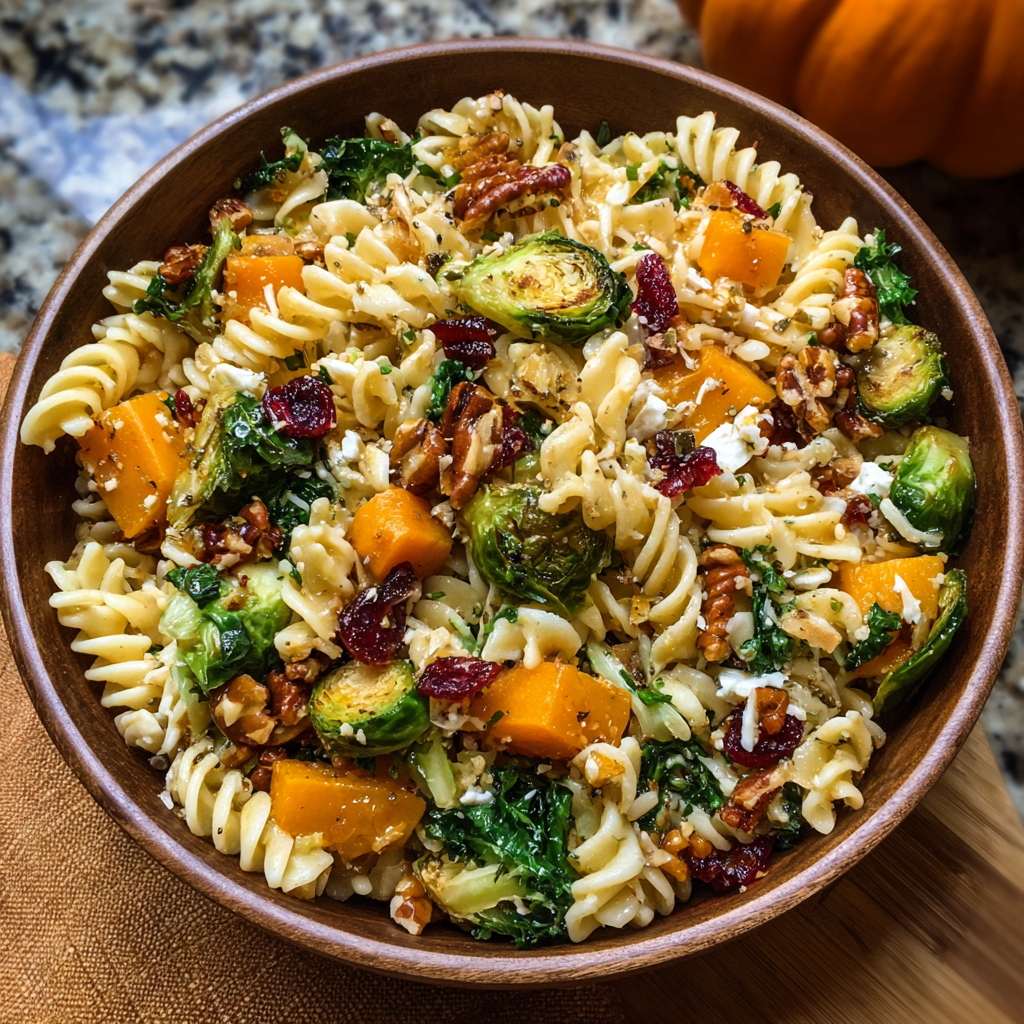
Fall Harvest Pasta Salad
A cozy, colorful salad that celebrates autumn flavors — roasted butternut squash and Brussels sprouts tossed with pasta, cranberries, pecans, and tangy feta, finished with a balsamic vinaigrette.
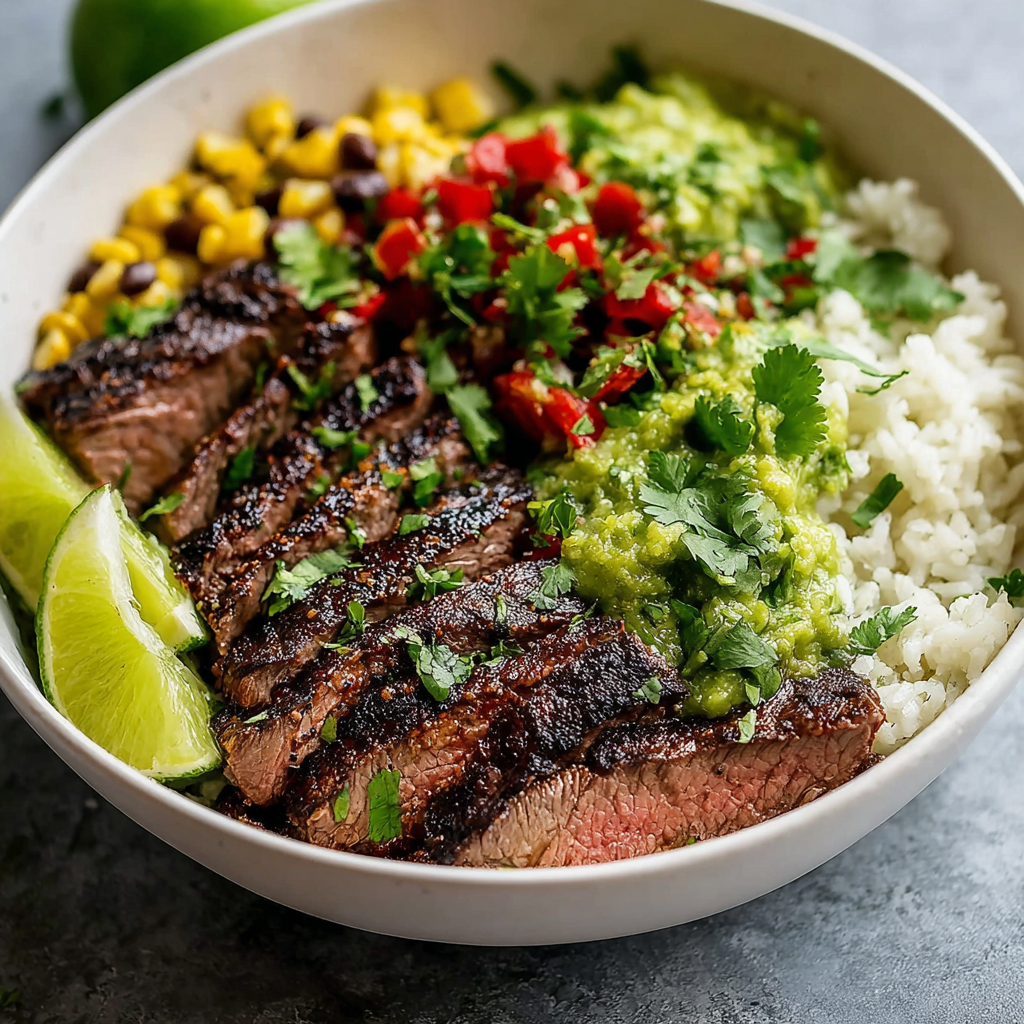
Cilantro Lime Steak Bowls
Bright, tangy cilantro-lime marinated flank steak served over rice with black beans, corn, fresh veggies and creamy avocado for a fast, healthy weeknight bowl.

Pecan Pie Crescent Rolls
Buttery crescent rolls filled with a sweet pecan pie–inspired filling — a quick, crowd-pleasing dessert perfect for holidays or weeknight cravings.
Did You Make This?
Leave a comment & rating below or tag @aiolirecipe on social media!
Rate This Recipe
Share This Recipe
Enjoyed this recipe? Share it with friends and family, and don't forget to leave a review!
Comments (1)
This recipe looks amazing! Can't wait to try it.
Comments are stored locally in your browser. Server comments are displayed alongside your local comments.
Hi, I'm Olivia!
What's Popular
30-Minute Meals!
Join to receive our email series which contains a round-up of some of our quick and easy family favorite recipes.